
Meta Eyes Multi-Billion Dollar Google Chip Deal: The AI Infrastructure Power Shift
Meta is negotiating a multi-billion-dollar Google chip deal, marking a major shift in AI infrastructure, semiconductor competition, and Nvidia’s long-held dominance.
11/25/20253 min read
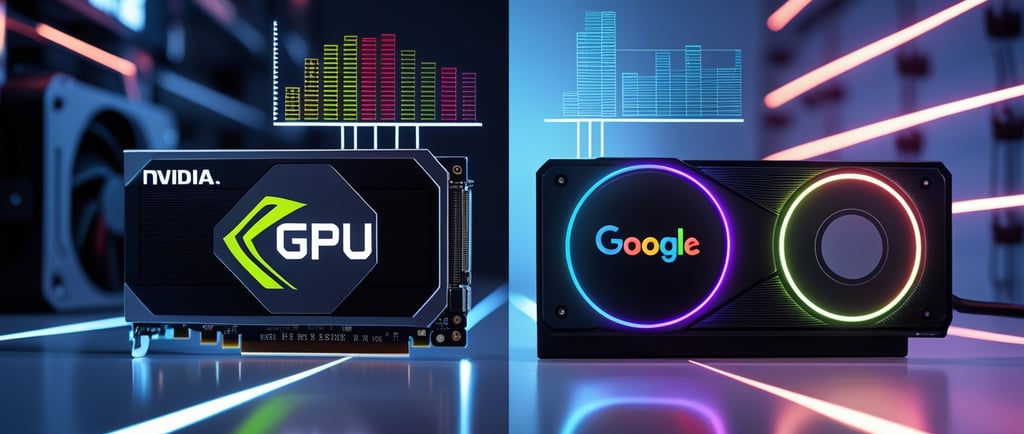
Meta is reportedly negotiating a massive multi-billion dollar chip purchase from Google, marking a potential breakthrough for Alphabet in the AI semiconductor market currently dominated by Nvidia. This isn't just a routine procurement deal—it's a strategic realignment that could reshape the competitive landscape of artificial intelligence infrastructure.
Why Meta Would Bypass Nvidia for Google Chips
Nvidia has maintained near-monopoly control over AI chips, with their GPUs powering most large-scale AI training and inference workloads globally. This dominance creates problems for massive AI consumers like Meta: supply constraints, premium pricing, and strategic dependence on a single vendor whose priorities may not align with yours.
Google's Tensor Processing Units (TPUs) represent credible alternatives specifically optimized for AI workloads. While less universally adopted than Nvidia's offerings, TPUs have powered Google's own AI breakthroughs and offer performance characteristics that appeal to companies running specific types of AI operations at massive scale.
Diversification reduces strategic risk. Relying entirely on Nvidia exposes Meta to supply disruptions, price fluctuations, and dependency on a competitor's roadmap. Securing billions in Google chip capacity creates negotiating leverage and operational flexibility while reducing existential risk from single-vendor dependence.
Cost optimization at scale matters enormously. When you're spending billions on compute infrastructure, even small percentage cost differences translate to hundreds of millions in savings. If Google's chips offer competitive performance at lower total cost of ownership, the financial case becomes compelling regardless of other considerations.
Performance optimization for specific workloads. Not all AI tasks are identical. Different chip architectures excel at different operations. Meta may have identified specific AI workloads where Google's TPUs outperform Nvidia alternatives, making strategic sense to deploy different silicon for different applications.
What This Means for the AI Chip Market
Nvidia's semiconductor dominance has made them one of the world's most valuable companies, with stock valuations reflecting expectations of continued AI infrastructure leadership. A major customer like Meta deploying billions toward alternative suppliers challenges that narrative and could accelerate industry diversification.
Google entering serious competition for external chip sales represents significant strategic shift. Previously, Google's TPUs primarily served internal needs for their own AI operations. Selling billions in chips to major external customers like Meta transforms Google from internal chip user to legitimate semiconductor vendor competing in external markets.
Competition benefits AI development broadly. Nvidia's near-monopoly position allowed them to maintain premium pricing and control supply allocation. Credible alternatives from Google and others (AMD, startups, custom silicon) will drive innovation, reduce costs, and democratize access to high-performance AI infrastructure.
The geopolitical and supply chain dimensions matter. AI chip supply chains face increasing geopolitical scrutiny, export controls, and strategic considerations. Diversifying semiconductor sources across multiple vendors and architectures provides resilience against disruption from any single point of failure.
Investment Implications Across Markets
This potential deal creates ripple effects across technology markets, semiconductor stocks, AI development trajectories, and competitive positioning among tech giants. Understanding these connections helps identify both opportunities and risks.
Nvidia's competitive moat faces testing. While one deal doesn't destroy their dominance, it establishes precedent and demonstrates credible alternatives exist. If Meta successfully deploys Google chips at scale, other hyperscalers will reconsider their own dependency on Nvidia.
Alphabet gains revenue diversification and market validation. Selling billions in chips to external customers opens new revenue streams beyond advertising and cloud services while validating their semiconductor engineering capabilities against market-leading competitors.
Meta's AI infrastructure investments signal ongoing commitment. Companies don't negotiate multi-billion dollar chip deals unless planning massive AI expansion. This confirms Meta's strategic prioritization of AI development despite economic pressures and prior cost-cutting measures.
The entire AI infrastructure stack remains in flux. From semiconductors to cloud platforms to model architectures, every layer of AI technology continues evolving rapidly. Companies making strategic bets on infrastructure today are positioning for competitive advantages that could last decades.
The Knowledge Advantage in Technology Investing
Deals like Meta's potential Google chip purchase reveal strategic shifts before they appear in earnings reports or stock prices. Understanding why these moves happen, what they signal about competitive dynamics, and how they'll cascade through interconnected markets creates investment advantages.
Most people see headlines about chip deals and move on. Educated investors recognize these as data points revealing broader patterns—shifting dependencies, emerging competition, strategic vulnerabilities, and new opportunities forming across technology sectors.
Quality technology and business education helps you understand semiconductor markets, AI infrastructure economics, competitive strategy, and how to interpret corporate moves that telegraph future market developments. These aren't academic concepts—they're practical frameworks for identifying investment opportunities and risks before they're obvious.
The AI revolution is creating trillions in value and reshaping entire industries. Success requires understanding not just surface-level technology trends but the strategic dynamics, economic forces, and competitive positioning driving outcomes.
Don't just consume technology news—develop the knowledge to interpret what it means and how to position accordingly.
Educational content only. Technology and semiconductor investments carry significant risks. Conduct thorough research and consult professionals before investment decisions.
Tentar novamente