
Wall Street Rallies as S&P 500 Heads for Best Week Since June
U.S. stock markets are climbing Friday in what's shaping up to be the S&P 500's strongest weekly performance since June, even as trading volumes remain thin following Thursday's Thanksgiving holiday
11/28/20255 min read
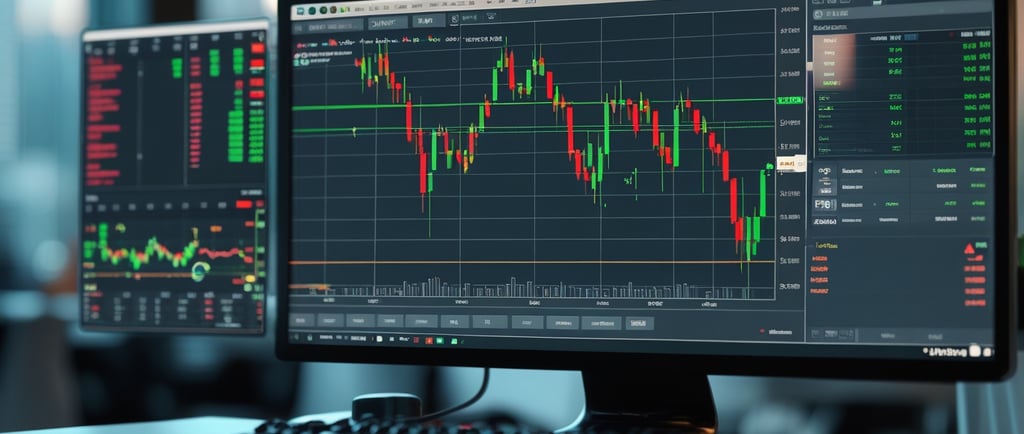
U.S. stock markets are climbing Friday in what's shaping up to be the S&P 500's strongest weekly performance since June, even as trading volumes remain thin following Thursday's Thanksgiving holiday. The abbreviated Black Friday session is seeing continued investor optimism despite the typically light market participation that characterizes this period.
This rally isn't happening in a vacuum. Multiple factors are converging to drive the positive momentum—from cooling inflation data to Federal Reserve policy expectations to seasonal patterns that historically favor equity markets during this timeframe. Understanding what's actually driving these gains versus what's just noise helps investors make informed decisions rather than reacting emotionally to headlines.
The Liquidity Factor Everyone Should Understand
Friday's trading session is abbreviated, closing early after Thursday's market holiday. This combination creates what professionals call "thin markets"—reduced trading volumes that can amplify price movements in either direction. A stock that might move 1% on normal volume could swing 2-3% when fewer participants are trading.
Low liquidity cuts both ways. While the current rally benefits from this dynamic—fewer sellers means prices rise more easily on modest buying—the same mechanics can create sharp reversals if sentiment shifts. Moves during thin trading sessions often don't reflect genuine changes in fundamental outlook but rather the mathematical reality of how prices adjust when order books are shallow.
Sophisticated investors understand this context. They don't interpret Friday's gains as necessarily more meaningful than Monday's would be with full market participation. The direction might be real—stocks could continue rising—but the magnitude of moves during reduced liquidity sessions requires appropriate skepticism.
Seasonal patterns affect trading psychology. The period between Thanksgiving and year-end historically shows positive equity returns more often than not. Whether this "Santa Claus rally" effect stems from genuine economic factors, portfolio rebalancing, or simply becomes self-fulfilling prophecy through trader expectations is debatable. What matters is recognizing that seasonal biases exist and influence market behavior.
What's Actually Driving the Weekly Gains
The S&P 500 heading toward its best weekly performance since June didn't happen because of Friday's thin trading—it reflects developments throughout the week that shifted investor sentiment and risk appetite.
Inflation data continues moderating. Recent economic releases showed inflation metrics declining faster than many expected, strengthening the narrative that the Federal Reserve's aggressive rate hiking campaign successfully cooled price pressures without triggering severe recession. This "soft landing" scenario—where inflation normalizes while economic growth continues—represents the ideal outcome for equity investors.
Rate cut expectations are building. Bond markets are pricing increasing probability of Federal Reserve rate cuts beginning in 2024. While the Fed itself maintains hawkish rhetoric about keeping rates higher for longer, markets are betting that economic data will force their hand toward easing. Lower rates reduce the discount rate applied to future corporate earnings, making stocks mathematically more valuable and improving relative attractiveness versus bonds.
Corporate earnings resilience surprised skeptics. Despite recession fears and margin pressure concerns, the most recent earnings season showed many companies maintaining profitability better than feared. Guidance, while cautious, wasn't catastrophic. This earnings resilience supports equity valuations even if growth isn't accelerating dramatically.
Technical factors matter for momentum. Markets had been oversold heading into November after months of negative sentiment. Technical indicators signaled conditions where even modest positive catalysts could trigger sustained rallies as short positions get covered and sidelined cash gets deployed. These momentum dynamics become self-reinforcing once established.
The Context Investors Need Beyond Headlines
A strong weekly performance for the S&P 500 makes for positive headlines, but informed investors ask deeper questions. Is this rally sustainable? What could reverse it? How should portfolio positioning adjust based on these developments?
Valuation levels affect forward return expectations. Even after recent gains, are stocks cheap, fairly valued, or expensive relative to historical norms and expected earnings? The answer dramatically impacts whether buying here makes sense or whether waiting for pullbacks offers better risk-reward.
The S&P 500's price-to-earnings ratio currently sits above historical averages, suggesting markets are pricing in optimistic scenarios. This doesn't mean stocks can't go higher—sentiment and momentum can drive prices beyond fundamental justification for extended periods. But it does mean that margin of safety has narrowed, and any disappointments could trigger outsized negative reactions.
Breadth matters more than index levels. Are gains concentrated in a handful of mega-cap technology stocks, or is the rally broad-based across sectors and market capitalizations? Narrow leadership suggests fragility—if a few stocks reverse, the entire index suffers. Broad participation indicates healthier underlying demand and more sustainable trends.
Recent market action has shown improving breadth, with small caps and cyclical sectors participating in gains rather than just defensive mega-caps carrying indices higher. This rotation suggests growing investor confidence in economic resilience rather than just hiding in perceived safe havens.
International context influences U.S. markets. What's happening with European economies, Chinese growth, emerging market stability, and dollar strength all affect multinational corporate earnings and global capital flows that ultimately impact U.S. equity valuations. American stocks don't trade in isolation from global developments.
The Investment Decisions This Actually Informs
For most investors, the S&P 500 having its best week since June doesn't directly translate to specific portfolio actions. The real question is what this development—and the factors driving it—means for your investment strategy and positioning.
Existing long positions might warrant reassessment. If you've been holding equity positions through difficult periods, strong rallies provide opportunities to trim overweight positions, take some profits, or rebalance portfolios that have become skewed toward equities. Discipline about taking gains during strength prevents the emotional trap of watching profits evaporate during subsequent corrections.
Cash on sidelines faces opportunity cost. Investors who moved to defensive positions or held excess cash waiting for better entry points face the frustration of missing rallies. This is the eternal tension—avoiding losses during downturns means sometimes missing early stages of recoveries. The question becomes whether current levels offer reasonable risk-reward or whether patience for pullbacks remains warranted.
Sector positioning matters increasingly. As markets transition from crisis mode to normal conditions, sector leadership typically rotates. The defensive sectors and mega-cap technology that led during uncertainty often underperform as investors shift toward cyclicals, small caps, and value stocks benefiting from economic growth. Portfolio construction should reflect these leadership changes.
Risk management never stops mattering. Strong weekly performance doesn't eliminate downside risks—recession possibilities, geopolitical shocks, policy mistakes, or unexpected inflation resurgence all remain potential catalysts for reversals. Appropriate position sizing, diversification, and stop-loss disciplines protect capital regardless of recent trends.
The Knowledge That Creates Lasting Advantages
Market developments like the S&P 500's strongest weekly performance since June happen regularly. What separates successful investors from those who struggle isn't predicting these movements but having frameworks for interpreting them and making disciplined decisions informed by comprehensive analysis rather than emotional reactions.
Understanding market mechanics—liquidity, momentum, sentiment, valuation—allows you to contextualize headlines appropriately. Knowing that thin Friday trading amplifies moves or that seasonal patterns influence behavior helps you avoid overreacting to price action that might reverse under normal conditions.
Fundamental analysis skills let you assess whether rallies reflect genuine improvement or just sentiment shifts. Can you evaluate whether corporate earnings justify valuations? Do you understand how interest rate changes affect different asset classes? Can you analyze economic data and its implications for various sectors?
Risk management discipline protects capital during inevitable reversals. Markets don't move in straight lines. Even strong rallies include pullbacks, and eventually bear markets return. Knowing when to take profits, how to size positions appropriately, and when to raise cash separates those who build wealth from those who ride gains up only to give them back during corrections.
Quality investment education covering market dynamics, fundamental analysis, technical indicators, and risk management creates the knowledge foundation for navigating all market environments—not just strong weeks but also corrections, bear markets, and everything in between.
The investors consistently achieving superior returns don't have crystal balls predicting market direction. They have comprehensive frameworks for analysis, disciplined processes for decision-making, and emotional control preventing mistakes during both euphoric rallies and panicked selloffs.
Whether the S&P 500 continues its best-week-since-June performance or reverses next week matters less than having the skills to evaluate conditions, make informed decisions, and manage risk appropriately regardless of short-term price action.
Educational content only. Equity markets carry significant risks including potential loss of principal. Past performance doesn't guarantee future results. Conduct thorough research and consult financial professionals before investment decisions.